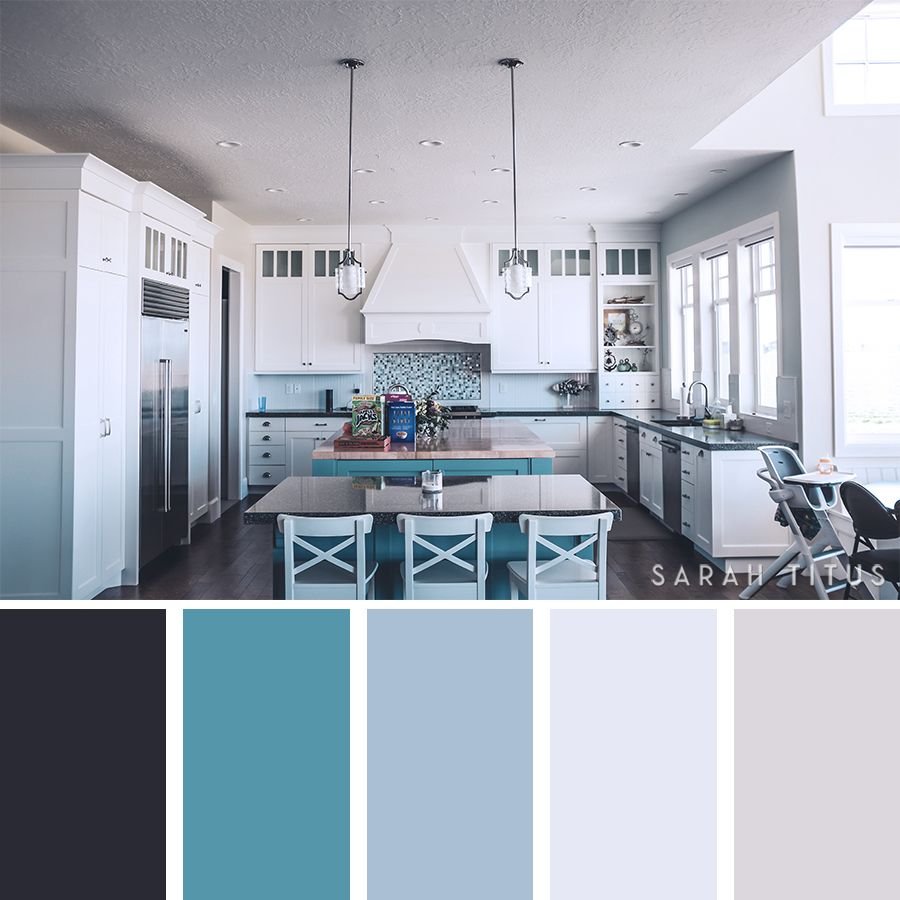
Grey isn't just a color; it's an entire design philosophy. When it comes to Mastering Grey Color Palettes in Home Decor, you're unlocking a realm of understated elegance, modern sophistication, and unparalleled versatility. Forget any notions of grey being dull or dreary; today's grey is vibrant, complex, and the ultimate chameleon for any interior style, ready to transform your home into a sanctuary of refined taste.
At a Glance: Key Takeaways for Your Grey Palette
- Grey is a Versatile Neutral: It anchors various styles, from modern minimalist to classic traditional.
- Balance is Key: Counter grey's cool tones with warm elements like wood, brass, or cozy textiles.
- Light it Up: Mirrors and metallic accents reflect light, preventing darker greys from overwhelming a space.
- Layer Textures: Introduce visual interest with materials like velvet, faux fur, knit, and different wood finishes.
- Strategic Color Pops: Use vibrant cushions, artwork, or plants to inject personality and prevent monotony.
- The 60-30-10 Rule Applies: Grey often works best as your dominant 60%, leaving room for accents.
The Unsung Hero: Why Grey Reigns Supreme in Home Decor
For years, grey was typecast as merely a backdrop, a supporting character in the grand narrative of home decor. But in reality, grey is the leading star – a sophisticated, modern, and incredibly versatile hue that brings immediate elegance to any room. From the softest whisper of a cloud to the dramatic depth of charcoal, grey has an uncanny ability to adapt, bringing modernity and a sense of calm sophistication wherever it's applied.
Think of grey as your ultimate design foundation. It's a neutral backdrop that effortlessly accommodates a spectrum of styles, whether you're leaning towards the sleek lines of minimalism, the cozy charm of traditional design, or the bold statements of contemporary flair. Its adaptability makes it ideal for everything from tranquil bedrooms to bustling kitchens, offering a canvas that's both grounding and inspiring.
Decoding Grey: Warm, Cool, Light, and Deep
Understanding grey isn't about simply picking a shade; it's about recognizing its intricate undertones. Grey isn't just grey. It can lean cool with blue or green undertones, or warm with hints of beige, yellow, or even a subtle pink. This nuance is crucial for achieving the desired mood in your space.
Cool greys tend to evoke a serene, modern, and airy feel, making rooms appear larger and more open. Warm greys, on the other hand, bring a cozy, inviting, and grounded atmosphere, perfect for creating comforting spaces. Mixing these different shades adds incredible depth and prevents a flat, one-dimensional look. For instance, pairing a light, cool grey wall with a plush, warm charcoal sofa creates a dynamic yet harmonious contrast that's incredibly pleasing to the eye.
When working with any grey, especially darker tones, remember the power of reflection. Mirrors and metallic accents—think gleaming silver, polished chrome, or lustrous brass—are your best friends. They'll bounce light around the room, making it feel brighter and more expansive, even with a charcoal grey palette. To further enhance warmth and prevent any coolness from feeling stark, introduce elements like natural wood finishes, brass fixtures, or richly textured textiles. These carefully chosen additions create an inviting balance that makes a grey room truly sing.
Your Palette Awaits: 12 Creative Ways to Weave in Grey
Ready to infuse your home with grey's undeniable charm? Here are twelve practical, impactful ideas to get you started, transforming your space with sophisticated style.
1. Grey Wall Paint: The Ultimate Neutral Canvas
Start with the walls to set the tone. Soft, soothing grey shades like Sherwin Williams’s "Repose Gray" or Benjamin Moore’s "Gray Owl" provide an immaculate neutral backdrop. These hues are incredibly versatile, allowing your furniture, art, and accessories to truly pop while maintaining a refined ambiance. They're perfect for living rooms, bedrooms, or even hallways, creating a seamless flow throughout your home.
2. Grey Furniture: Anchoring Your Design
Invest in foundational pieces like sofas, armchairs, or bed frames in varying shades of grey. A deep charcoal velvet sofa can anchor a living room, exuding luxury and comfort, while a light linen grey armchair adds a touch of casual elegance. Mixing shades and textures within your furniture collection creates visual interest and cohesion without overwhelming the space.
3. Grey Textiles: Softness and Depth
Textiles are where grey truly comes alive, adding warmth and tactile appeal. Think plush velvet throw pillows, chunky knit blankets, or flowing wool curtains. Layering different materials like faux fur, knit, or linen in various grey tones introduces incredible depth and a cozy, inviting feel. This strategy prevents a monochromatic scheme from feeling flat by stimulating both sight and touch.
4. Grey Decor Accents: The Finishing Touch
Small details make a big impact. Use grey vases, candles, decorative bowls, and art objects to tie your scheme together. Pair these with metallic accents – silver or chrome for a modern edge, brass or gold for added glamour – to reflect light and introduce a touch of sparkle. Incorporate natural elements like marble or stone for an additional layer of organic sophistication.
5. Grey Flooring: A Modern Foundation
Whether you opt for wide-plank grey hardwood, chic grey tiles, or even a polished concrete floor, grey flooring creates a clean, modern aesthetic. It provides a superb foundation that grounds your room. Complement this base with soft, neutral rugs—perhaps a textured jute or a deep pile wool—to add warmth and define different zones within your space.
6. Grey Kitchen Cabinets: Contemporary Culinary Style
Transform your kitchen with the timeless appeal of grey cabinets. This update instantly lends a contemporary look, pairing beautifully with almost any countertop material and backsplash design. Light grey cabinets can brighten a space, while a sophisticated dark grey creates drama. Finish the look with sleek metallic hardware for a touch of modern luxury.
7. Grey Accent Wall: Depth and Drama
Ready for a bolder statement? Paint one wall in a deeper, darker shade of grey to add incredible depth and drama to a room. This works particularly well in a living room or bedroom, creating a focal point. Balance the intensity of a dark accent wall with lighter furniture and accessories, ensuring the space feels balanced and inviting rather than heavy.
8. Grey Bedroom Decor: Your Serene Retreat
Create a truly tranquil sanctuary in your bedroom with a grey palette. Start with soft grey bedding, then layer it with crisp white or pastel-colored pillows and throws for a gentle contrast. A plush, deep pile grey rug underfoot adds luxury and warmth, making the space feel incredibly inviting and calming—perfect for unwinding.
9. Grey Bathroom Tiles: Spa-Like Sophistication
Elevate your bathroom to a spa-like oasis using light grey subway tiles or larger format grey porcelain. This choice offers a sophisticated, clean aesthetic that feels both modern and timeless. Warm up the cool tones of the tiles with natural wood accents, such as a vanity, or introduce brass or copper fixtures for a touch of refined elegance.
10. Grey Accent Chairs: A Statement of Style
An elegantly designed grey accent chair can be a powerful statement piece in any room. Choose a unique silhouette or a rich fabric like velvet or leather. Pair it with a contrasting sofa in a different color, or an ottoman in a complementary shade, to add immediate elegance and a focal point that draws the eye.
11. Grey Gallery Wall: Artful Expression
Showcase your personal style with a gallery wall displayed against a grey painted surface. Use a mix of frames in different shades of grey, from light silver to dark charcoal, alongside metallic finishes like brushed gold or matte black. This layering of frames on a grey wall allows your artwork to truly shine while contributing to the overall sophisticated palette.
12. Grey Outdoor Decor: Extending Elegance
Don't let your grey aesthetic stop at the door! Extend this sophisticated palette to your outdoor spaces with weather-resistant grey furniture. Think sleek patio sofas or dining sets. Then, introduce pops of color with vibrant outdoor cushions, throws, or planters filled with colorful blooms. This creates a cohesive and stylish transition from indoors to out.
Beyond Monotony: Mastering Grey's Color Combinations
Grey's true power lies in its unparalleled ability to play well with others. As a neutral canvas, it offers a sophisticated backdrop that can either balance bold hues or create serene harmony with softer tones. The key is understanding grey's subtle interactions with different colors.
A light grey paired with a warm beige, for example, creates an incredibly soothing and sophisticated atmosphere, perfect for a cozy living room or a restful bedroom. Conversely, a darker charcoal grey juxtaposed with beige offers a more dramatic yet equally inviting contrast. Cool neutrals like a blue-grey, when thoughtfully combined with more vibrant colors, can strike a stunning balance, allowing the bold hues to pop without overwhelming the space.
To truly master grey, remember to avoid overwhelming a room. For modern or minimalist designs, lighter grey shades tend to expand the space and maintain an airy feel. In contrast, darker greys can add depth and a sense of gravitas, making them ideal for traditional or rustic settings where coziness is paramount. Always balance your chosen grey with complementary colors, warm neutrals like taupe or beige, or strategically placed bold pops of color like red or yellow.
Playing Well Together: Popular Grey Pairings
Let's explore some of the most effective and popular ways to combine grey with other colors, ensuring your design is anything but bland.
Monochromatic Magic
Embrace the beauty of grey in its entirety by creating a monochromatic scheme. This isn't about flatness; it's about layering different shades and tints of grey to build depth and visual intrigue. Imagine light grey walls with a soft, medium grey sofa, anchored by a deep charcoal rug. The subtle interplay of light and shadow, warm and cool greys, prevents monotony. The secret here is texture and pattern: a plush velvet pillow next to a woven knit throw, or a subtle geometric pattern on a rug, will make a monochromatic grey room feel rich and sophisticated.
Earthy Harmony
For a natural and calming aesthetic, grey pairs exquisitely with earthy tones. Think about the warmth of terracotta, the tranquil freshness of sage green, or the quiet calm of sandy beige. A grey sofa against a wall painted in a soft sage green creates an immediate connection to nature. Terracotta accents, like planters or decorative pottery, introduce a rustic warmth that perfectly complements grey's often cooler undertones. Sandy beige elements offer a subtle, inviting contrast, making the space feel grounded and incredibly comfortable.
Bold & Beautiful Contrasts
Grey truly shines as the ultimate neutral canvas for vibrant colors. It has a unique ability to ground and balance even the most energetic hues. The trick is to use a light or medium grey backdrop and introduce one or two vibrant complementary colors. Imagine a bright coral throw pillow on a charcoal sofa, or a deep navy blue accent wall in a room dominated by light grey. These striking contrasts create visual interest and inject personality. Again, don't forget texture and pattern; they'll help integrate those bold pops into the overall design, making the entire scheme feel cohesive and deliberate.
The Blueprint for Balance: Application Principles
Designing with grey isn't just about picking colors; it's about strategic application. These tried-and-true principles will help you create a balanced, harmonious, and visually appealing space.
The 60-30-10 Rule: Your Design Guide
This foundational decorating principle is your roadmap to a balanced palette. When working with grey, you'll typically assign 60% of your room's color presence to your dominant grey shade. This means walls, large furniture pieces, or flooring. Then, allocate 30% to an accent color, perhaps a warm beige for coziness, or a soft blue for serenity. Finally, use 10% for a "pop" of color – a bold red throw, vibrant artwork, or lush green plants – to add energy and personality. This rule ensures your grey foundation remains dominant while allowing other colors to enhance and enliven the space without overwhelming it.
The Power of Complementary Colors: Grey and Blue
While often overlooked, the combination of grey and blue is a design powerhouse. Grey, with its inherent stability, meets blue's calming serenity, creating a harmonious and balanced atmosphere. A deep navy blue accent wall with light grey furniture, or subtle blue decorative accents in a predominantly grey room, evokes a sense of calm and sophistication. This pairing is particularly effective in bedrooms or studies where tranquility is desired.
Analogous Adventures: Creating Flow and Vibrancy
Analogous colors are those that sit next to each other on the color wheel, creating a naturally cohesive and pleasing palette. When paired with grey, these combinations can evoke specific moods.
For a calming effect, combine grey with blue-green shades. Think soft grey walls accented with throw pillows and decorative items in teal or seafoam green. This creates a gentle, continuous flow that feels serene. If you're aiming for more vibrancy, analogous yellow-orange hues can inject warmth and cheer into a grey space. A grey living room with ochre or marigold yellow accents provides a lively yet sophisticated energy that's anything but dull.
From Concept to Canvas: Real-World Grey Inspiration
Grey's influence extends far beyond residential interiors, proving its versatility and timeless appeal in various design contexts. Observing its application in branding and fashion can provide valuable insights for your home decor.
Branding Brilliance
Leading brands leverage grey to convey specific messages. Google, for example, uses subtle greys in its interfaces to create a sense of balance and sophistication, allowing its primary brand colors to stand out effectively. Nike employs various grey tones in its athletic wear and branding to evoke depth, dynamism, and a sleek, performance-oriented aesthetic. These examples highlight grey's ability to be both supportive and impactful, depending on how it's integrated into a larger scheme.
Fashion & Textile Trends
In the world of fashion, grey is a perennial favorite, constantly reinvented in different stylistic trends. Currently, we see light grey paired with soft pastels like blush pink, sky blue, or mint green, creating calming and effortlessly chic ensembles. For a more energetic statement, charcoal and dark greys are combined with bold hues such as coral, turquoise, or vibrant yellow, resulting in striking contrasts that catch the eye. And for enduring warmth, grey is often combined with rich beige or taupe, a classic pairing that exudes sophisticated comfort. These trends offer excellent inspiration for textile choices and accent colors in your home.
Navigating the Nuances: Common Challenges & Expert Solutions
Even with the most versatile colors, challenges can arise. Grey, while brilliant, requires thoughtful application to truly shine.
The "Too Much Grey" Syndrome
Challenge: A room dominated by too much grey can sometimes feel dull, monotonous, or even lifeless, lacking vibrancy and visual interest. This happens when there isn't enough contrast or variety in shades and textures.
Solution: The antidote is to strategically introduce complementary colors and small doses of bold hues. Think vibrant throw pillows, a colorful piece of art, or a collection of richly textured plants. These elements break up the grey expanse, injecting life and personality. Layering various textures—like a velvet sofa, a faux fur throw, and a woven rug—is also crucial to add depth even within a monochromatic grey palette.
When Color Combinations Go Awry
Challenge: Sometimes, despite your best intentions, a chosen grey color combination just doesn't quite click. The colors might clash, or the overall mood feels off.
Solution: If your color combination isn't working, don't despair! Often, the solution lies in adjusting the proportions of each color or introducing more texture and pattern. If a bold color feels too strong, dial it back to a smaller percentage or try a slightly muted version of that hue. Conversely, if a room feels flat, add more patterned elements, whether through a rug, curtains, or wallpaper. Texture, whether subtle or prominent, always helps to unify disparate colors and make a space feel more cohesive and inviting.
Your Grey Masterclass Continues: Final Considerations for a Flawless Finish
Mastering grey means not just understanding its potential, but also knowing how to make it work specifically for your home and your style.
Choosing Your Perfect Shade
The perfect grey isn't a universal truth; it's a personal discovery. When selecting a grey shade, consider:
- Your Space's Style: Is it modern, minimalist, traditional, or something in between? Lighter, cooler greys often suit modern aesthetics, while warmer, deeper greys can enhance traditional settings.
- The Mood You Want to Evoke: A cool, light grey fosters a calming, airy atmosphere. A warm, charcoal grey creates a cozy, intimate feel.
- Colors You're Pairing It With: Hold up swatches of your accent colors next to potential grey shades to see how they interact. A grey with blue undertones will sing with cool blues, while a grey with beige undertones will harmonize with warmer neutrals.
- Personal Preferences: Ultimately, what feels good to you is paramount. Spend time with samples in your space, observing them at different times of day.
The Power of Testing & Iteration
Never commit to a large-scale design decision without testing it first. Paint large swatches of your chosen grey on different walls and observe them throughout the day. See how natural and artificial light affects the color. Similarly, bring home samples of fabrics, flooring, and other materials. Prototype your design to test color contrast and accessibility. Be prepared to iterate based on what you learn. What looks perfect in a store might be different in your unique lighting conditions. This testing phase is crucial for avoiding costly mistakes and ensuring you're truly happy with the final result.
Tailoring Grey to Your Space: Specific Scenarios
Grey's adaptability means it can be customized for almost any situation.
- Preventing Small Rooms from Feeling Smaller: In compact spaces, opt for lighter grey wall shades to expand the feel of the room. Introduce 1-2 accent colors, and surprisingly, darker furniture can add depth without closing in the space. Remember, lighter colors make walls recede, while darker pieces can ground a room.
- Children's Spaces: While grey might seem too mature, it's an excellent base. Pair softer, pastel shades of grey with vibrant pastels—think mint green, soft pink, or baby blue—to create a playful yet sophisticated environment that can grow with them.
- Avoiding Monotonous Designs: The solution here is always variety. Use grey as a background, then incorporate accent colors not just through objects, but also through typography (if relevant for labels/signs), diverse images, or unique graphic elements in things like wallpaper or textiles. Texture, as always, is your secret weapon.
- Outdoor Elegance: For your outdoor living areas, grey harmonizes beautifully with earthy tones. Consider pairing grey furniture with olive green cushions, terracotta planters, and sandy beige textiles. These natural hues create a cohesive and inviting outdoor retreat that feels both contemporary and connected to nature.
- Flexing the 60-30-10 Rule: While the 60-30-10 rule is a fantastic guideline, it's not set in stone. You can absolutely modify the percentages for accent colors. Perhaps you want a room that's 70% grey and 20% of a warm accent, with only 10% bold. However, be cautious: excessive emphasis on one accent color (e.g., more than 30-40%) can overwhelm the grey foundation and lead to a less balanced look. Experimentation, within reason, is encouraged to find what feels right to you.
Your journey to truly Mastering Grey Color Palettes in Home Decor is one of exploration, balance, and thoughtful application. With these insights and strategies, you’re now equipped to create spaces that are not only sophisticated and stylish but also uniquely yours. Embrace the subtlety, leverage the versatility, and watch your home transform into a testament to elegant design. If you're looking for further inspiration, you might learn more about Amelia Jackson Grey's unique approach to color theory, which can further enhance your understanding of bringing subtle hues to life.